Founder of the South-East Asia Art Association, formally constituted on 26 September 1970 — and a central figure in the circle of painters whose travels across the region reshaped what South-East Asian art could mean. 东南亚美术协会创会人,协会于 1970 年 9 月 26 日正式成立。他也是那个 以游历重塑东南亚艺术面貌的画家群体中的核心人物。
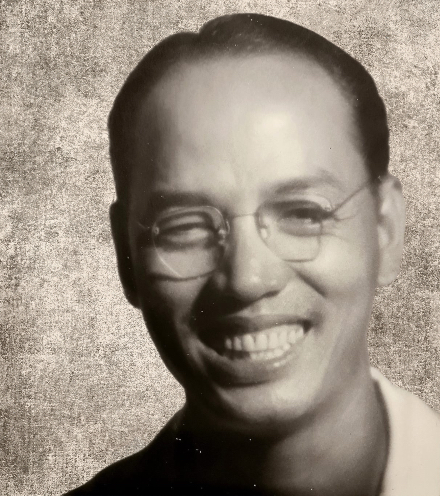
Born Ye Baoshi in Hongwei, Minhou County, Fuzhou, China in 1913, Yeh Chi Wei moved to Singapore with his mother and elder sister in 1919, and the family relocated shortly after to Sarawak, where they cleared forest land to grow rubber and other crops. Sent back to Fuzhou by his mother in 1925 to continue his education, he completed secondary school and enrolled at the Xinhua Academy of Fine Arts in Shanghai in 1933 — against his father's wishes — to study Western painting, graduating in 1936. With the outbreak of the Second Sino-Japanese War in 1937, he fled to Singapore, and went on to teach art in schools across Sarawak, Malaya and Singapore before settling permanently with his family in Singapore. 叶之威原名叶保時,1913 年生于中国福州闽侯县鸿尾村。1919 年,他随母亲 与姐姐移居新加坡,其后家人不久迁往沙捞越,以垦荒种植橡胶及其他农作物维生。1925 年,母亲 将他送回福州继续求学,中学毕业后,1933 年他不顾父亲反对,考入上海新华艺术专科学校修习 西洋画,1936 年毕业。1937 年中日战争爆发后,他逃往新加坡,此后辗转于沙捞越、马来亚 与新加坡多所学校任教美术,最终携家眷定居新加坡。
The Association traces its origin to the Ten People Art Exhibition of the late 1960s — a circle that included Yeh Chi Wei, Tan Seah Boey, Choo Keng Kwang and Lim Tze Peng, whose travels through India, Thailand, Cambodia and Nepal reshaped what South-East Asian painting could mean. Within the group, known in English as "The Ten Artists," Yeh Chi Wei served as leader, guiding and encouraging the younger artists. 协会的源头可追溯至上世纪六十年代末的《十人画展》——这一群体包括叶之威、 陈城梅、朱庆光与林子平,他们游历印度、泰国、柬埔寨与尼泊尔的经历,重新塑造了 东南亚绘画的可能。在这一群体中,叶之威担任领导者,引领并鼓励年轻一辈的艺术家。
Yeh Chi Wei went on to formally constitute the South-East Asia Art Association on 26 September 1970. On 17 November of that year, the Nanyang Siang Pau newspaper published an interview with him discussing the newly-formed Association and its purpose. 叶之威其后于 1970 年 9 月 26 日正式创立东南亚美术协会。同年 11 月 17 日, 《南洋商报》刊登了对他的专访,谈及新成立的协会及其宗旨。
Yeh was among the early cohort of professionally-trained artists teaching in Singapore and Malaya through the mid-20th century, and his tenure at Chung Cheng High School in the 1950s and '60s left a lasting mark — former students remembered him as a demanding teacher with exacting standards. In 1953 he helped establish the school's Art Society, which ran regular competitions and annual exhibitions. As leader of the Ten Men Group, he guided the collective through six overseas trips and five thematic exhibitions in under a decade — an unprecedented undertaking for artists of the time, given how much travel and exhibition-making cost in those days. 叶之威属于二十世纪中叶新马地区最早一批受过专业训练并任教的艺术家, 他在 1950 至 60 年代任教于中正中学期间尤具影响,昔日学生回忆他治学严谨、要求甚高。 1953 年,他协助创办中正中学美术学会,定期举办比赛与年度展览。作为十人画会的领军人物, 他带领画会在不到十年间完成六次海外采风与五场主题展览——在当年旅行与办展皆所费不赀的 年代,这是前所未有的创举。
His influence continued well beyond the Association's founding — later generations of members, including Ang Teck Lee, studied under him directly, carrying his approach to painting forward into the Association's ongoing work. 他的影响远不止于协会的创立——包括洪德利在内的后辈会员,都曾直接 师从于他,将其绘画理念延续于协会至今的工作之中。
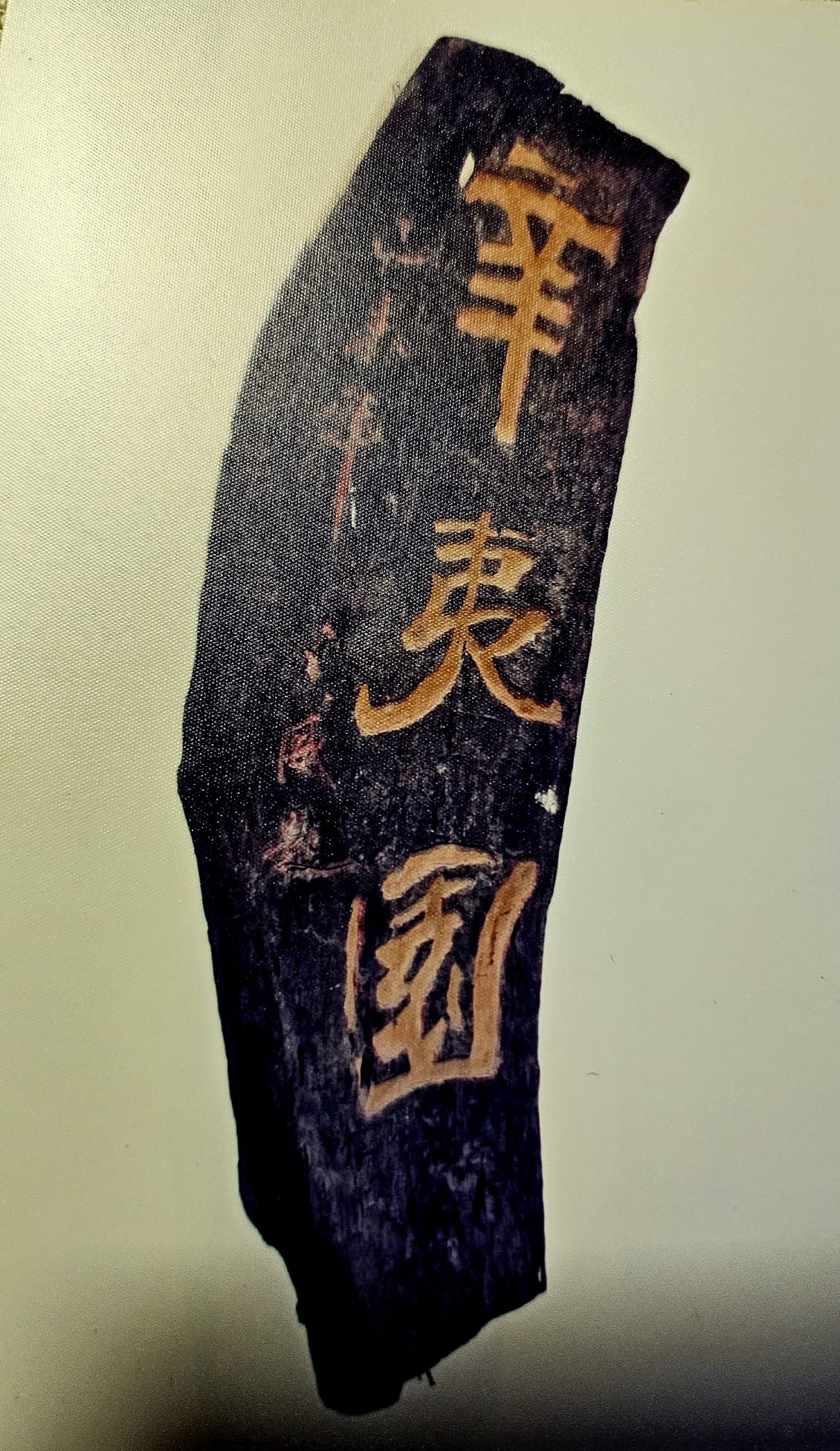
In 1978, Yeh and his wife left Singapore to retire to an orchard they named "Xin Yi Yuan" (辛夷园), in Sedili, Kota Tinggi, Johor, where he continued painting and planned a second solo exhibition. He died in Singapore in 1981, of brain cancer. His artistic achievements have since regained wider recognition, notably through the 2010 survey exhibition "Fengcai Zaixian" (风采再现), organised by the National Art Gallery Singapore. 1978 年,叶之威与夫人离开新加坡,退休隐居于柔佛哥打丁宜素里里 (Sedili, Kota Tinggi)的一座果园,取名"辛夷园",期间仍持续作画,并计划筹备第二次个展。 1981 年,他于新加坡因脑癌病逝。近年来,他的艺术成就重新受到关注,其中包括新加坡国家 美术馆于 2010 年为他举办的回顾展"风采再现"。
Biographical detail on this page draws on Low Sze Wee, "Pioneer artist: Yeh Chi Wei," Culturepaedia, Singapore Chinese Cultural Centre, and on the Yeh Chi Wei Archive, maintained by his family. 本页部分生平资料参考自刘思伟,《先驱艺术家:叶之威》,新加坡华族 文化中心《文化通》(Culturepaedia),以及由其家人维护的 叶之威档案(Yeh Chi Wei Archive)。
Twenty works spanning his travels through Cambodia, Bali and Java, held today across the Yeh Chi Wei family collection, the National Heritage Board, the National Museum Art Gallery, the NUS Museum, and private collections. 二十件作品,记录了他游历柬埔寨、巴厘岛与爪哇的历程,现分藏于叶之威家属、 国家文物局、国家博物馆画廊、新加坡国立大学博物院及多个私人藏家之手。
A Singapore Ministry of Education art textbook, discussing his work alongside Georges Rouault's Expressionism, describes Yeh Chi Wei's paintings as very much in the Western tradition — interested in the human figure, but portraying it "as a shape rather than a form," in a sombre palette of greys, browns, oranges and blues. 新加坡教育部一本美术教材,在将他的作品与乔治·鲁奥(Georges Rouault) 的表现主义并置讨论时,形容叶之威的画作深具西方传统色彩——虽关注人物形象,却将其 "描绘为形状而非形体",并惯用灰、褐、橙、蓝等沉郁色调。
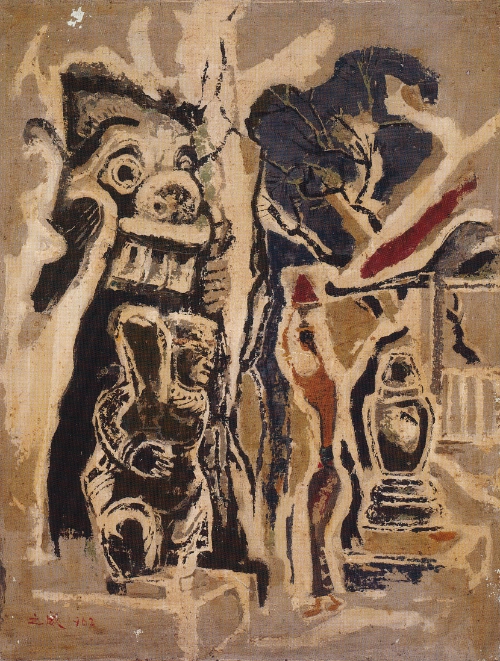
Bali's Elephant Cave, 1962. Oil on canvas, 82 × 63cm. Private collection. 《巴厘的象洞》,1962 年。画布油画,82 × 63cm。叶独集藏品。
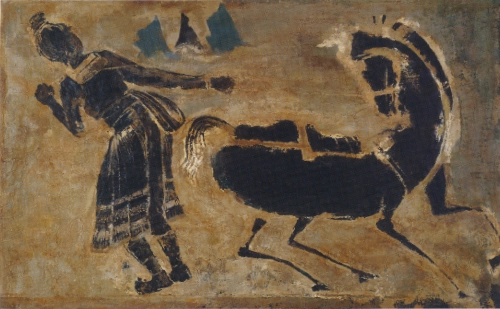
Miao Woman Leading a Horse, 1963. Oil on canvas, 76.5 × 122.2cm. Collection of the Yeh Chi Wei family. 《苗女挽马图》,1963 年。画布油画,76.5 × 122.2cm。叶之威家属藏品。
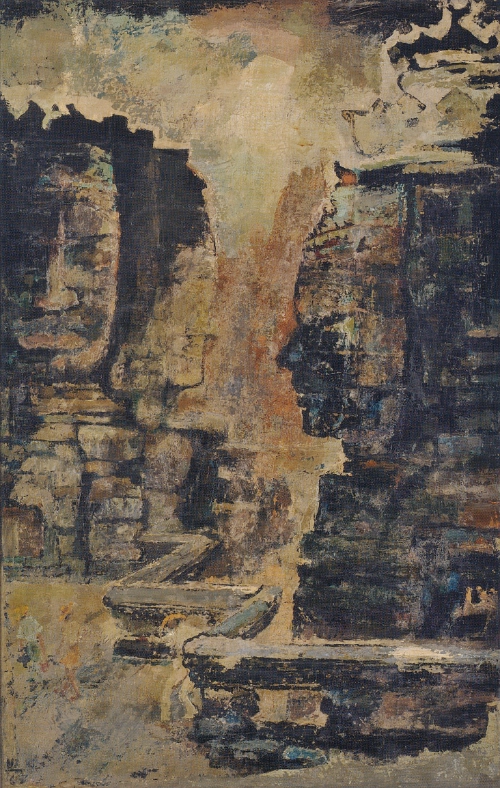
Bayon Temple, 1963. Oil on canvas, 120 × 75cm. Collection of the National Heritage Board. 《巴戎殿》,1963 年。画布油画,120 × 75cm。国家文物局藏品。
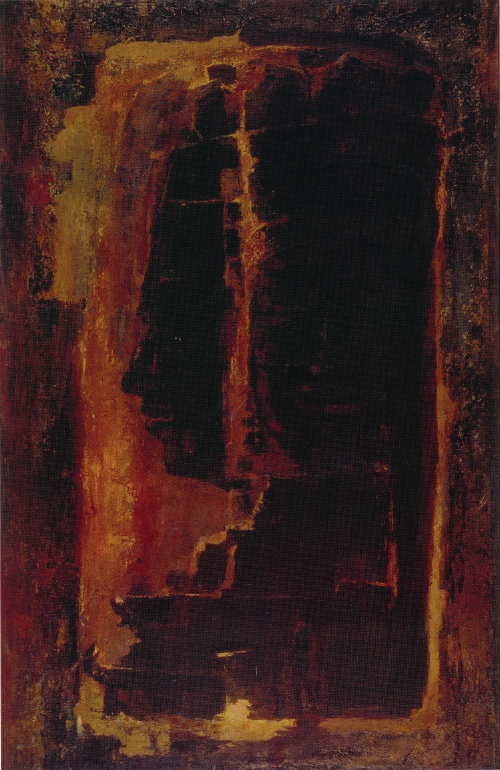
Angkor Bust, 1963. Oil on canvas, 122 × 76cm. Gift of Loke Wan Tho, Collection of the National Heritage Board. 《安哥半身雕像》,1963 年。画布油画,122 × 76cm。陆运涛捐赠,国家文物局藏品。
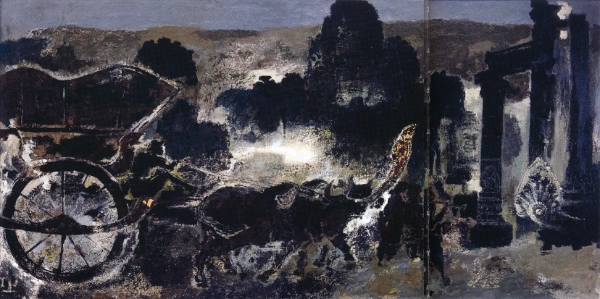
Angkor Ox-Cart, undated, circa 1963. Mixed media on canvas, 107 × 217cm. Gift of the artist, Collection of the NUS Museum. 《安哥牛车》,无纪年(约于 1963 年作)。画布混合材料,107 × 217cm。画家捐赠,新加坡国立大学博物院藏品。
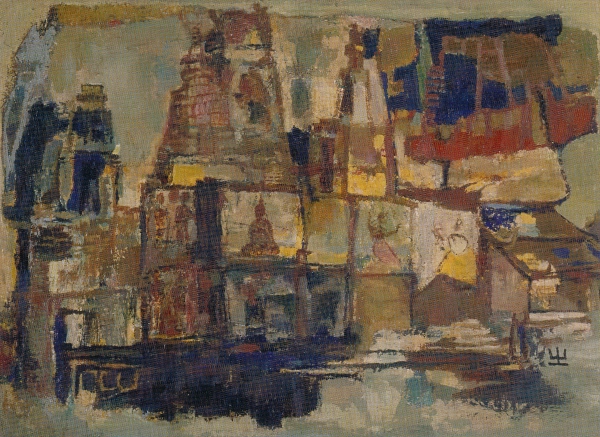
Angkor Wat, undated, circa 1963–64. Oil on canvas, 71 × 98cm. Collection of the National Heritage Board. 《安哥窟》,无纪年(约于 1963—64 年作)。画布油画,71 × 98cm。国家文物局藏品。
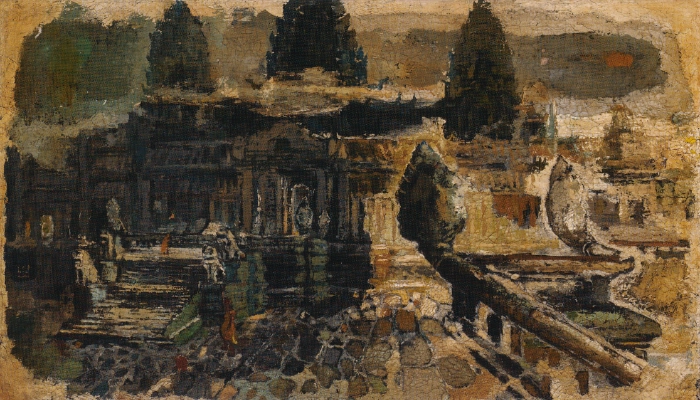
Angkor Wat, undated, circa 1963–64. Oil on canvas, 69.5 × 120.5cm. Private collection. 《安哥窟》,无纪年(约于 1963—64 年作)。画布油画,69.5 × 120.5cm。叶独集藏品。
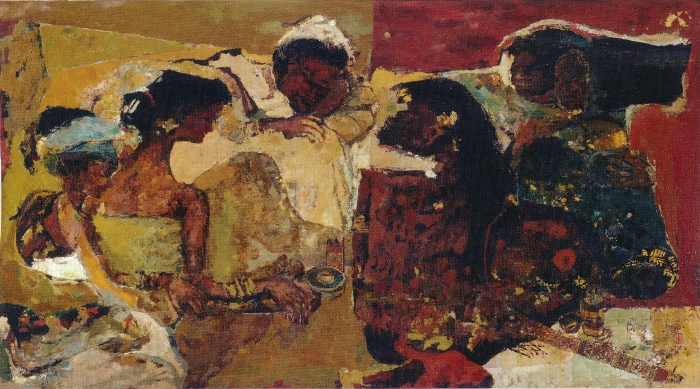
Untitled (Family), undated, circa 1965. Oil on canvas, 121.5 × 220.2cm. Collection of the Yeh Chi Wei family. 《无题(家族)》,无纪年(约于 1965 年作)。画布油画,121.5 × 220.2cm。叶之威家属藏品。
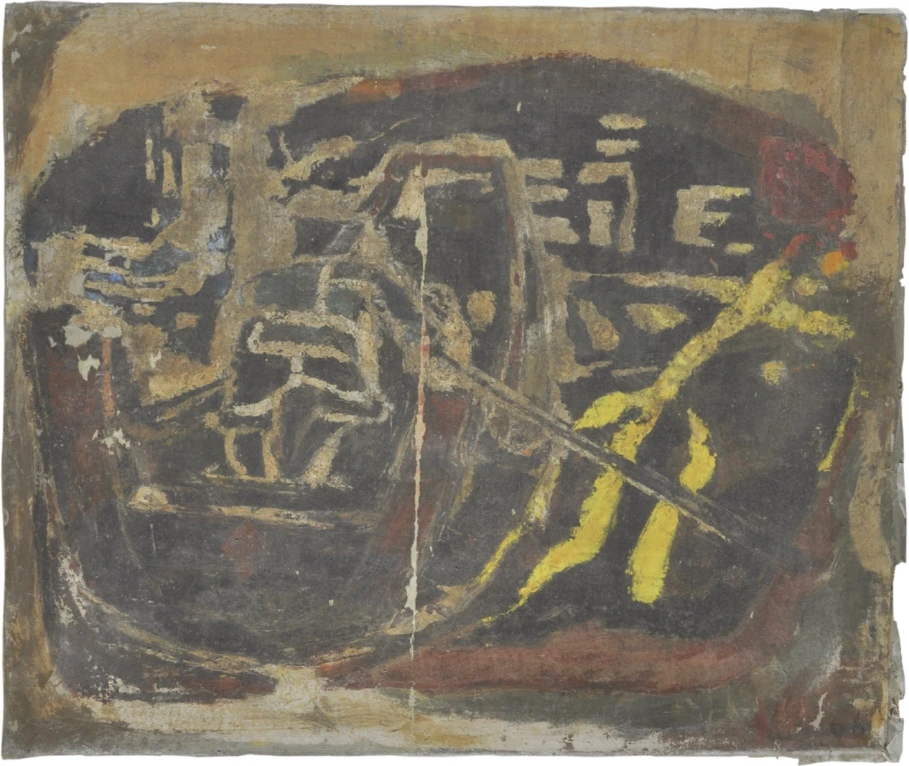
Small Sampan, 1966. Oil on canvas, 51 × 61cm. Collection of the Yeh Chi Wei family. 《小舢舨》,1966 年。画布油画,51 × 61cm。叶之威家属藏品。
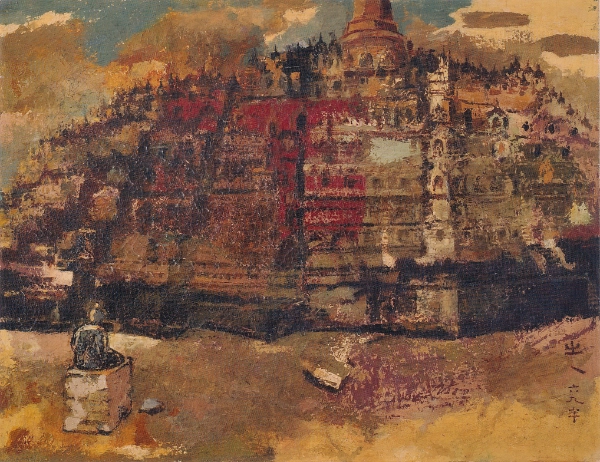
Borobudur, 1968. Oil on canvas, 68.5 × 87cm. Private collection. 《婆罗浮屠》,1968 年。画布油画,68.5 × 87cm。私人收藏。
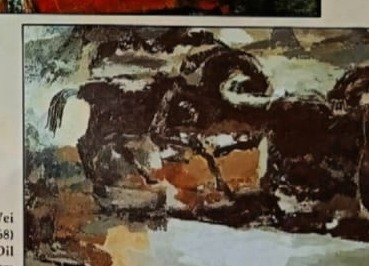
Miaw Girl Pulling a Horse, 1968. Oil, 121 × 220cm. Private collection. 《苗女牵马》,1968 年。油画,121 × 220cm。私人收藏。
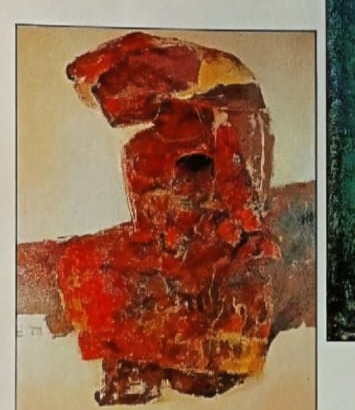
Mother and Child, 1970. Oil, 98.4 × 68.2cm. Collection of the National Museum Art Gallery. 《母与子》,1970 年。油画,98.4 × 68.2cm。国家博物馆画廊藏品。
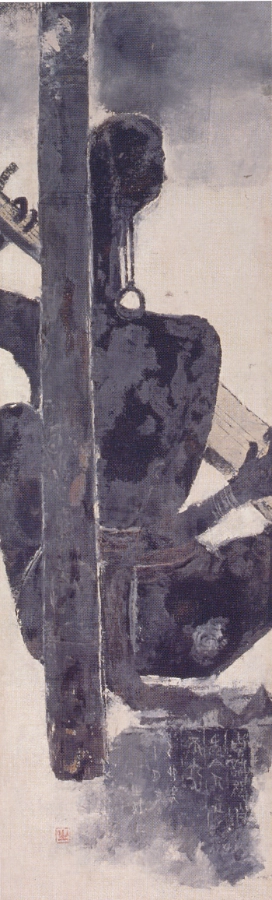
Dayak Musicians, 1975. Oil on canvas, 158 × 49cm. Collection of the National Heritage Board. 《奏乐的达雅克人》,1975 年。画布油画,158 × 49cm。国家文物局藏品。
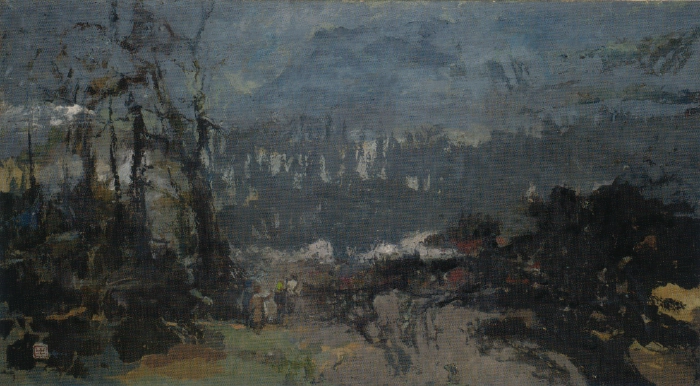
Mountain Scenery, 1978. Oil on canvas, 121 × 219cm. Gift of the artist, Collection of the National Heritage Board. 《山景》,1978 年。画布油画,121 × 219cm。叶之威捐赠,国家文物局藏品。
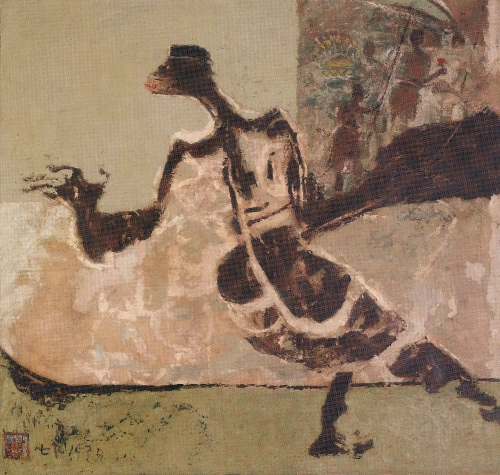
Untitled (Dancer), 1979. Oil on canvas, 99.8 × 103.8cm. Collection of the Yeh Chi Wei family. 《无题(舞者)》,1979 年。画布油画,99.8 × 103.8cm。叶之威家属藏品。
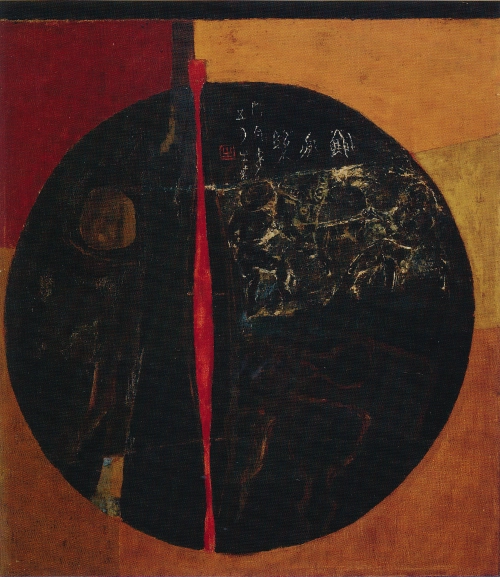
Fisherman's Joy, undated. Oil on canvas, 104 × 92cm. Collection of the Yeh Chi Wei family. 《渔家乐》,无纪年。画布油画,104 × 92cm。叶之威家属藏品。
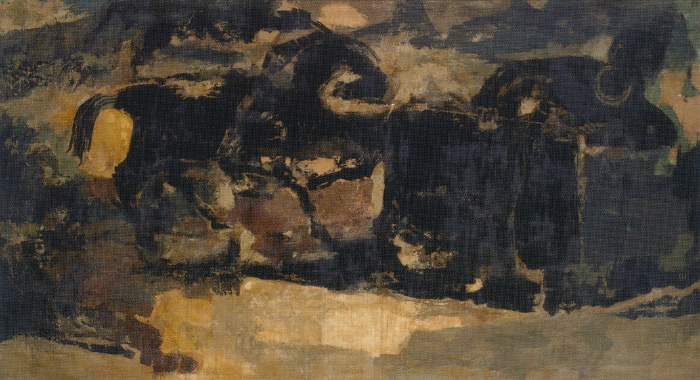
Untitled (Rama), undated. Oil on canvas, 229 × 132cm. Gift of the Yeh Chi Wei family, Collection of the National Heritage Board. 《无题(拉马)》,无纪年。画布油画,229 × 132cm。叶之威家属捐赠,国家文物局藏品。
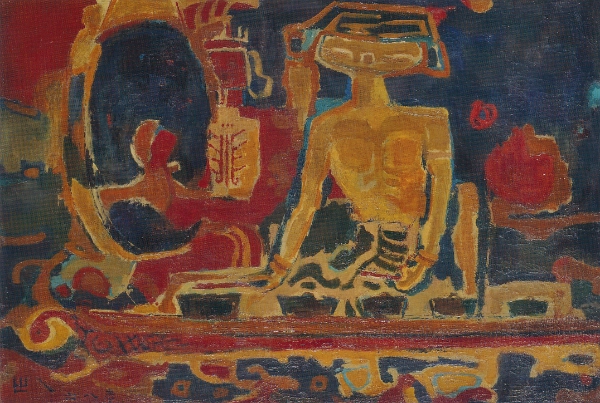
Untitled (Gamelan), undated. Oil on canvas, 65.2 × 95.4cm. Collection of the Yeh Chi Wei family. 《无题(甘美朗)》,无纪年。画布油画,65.2 × 95.4cm。叶之威家属藏品。
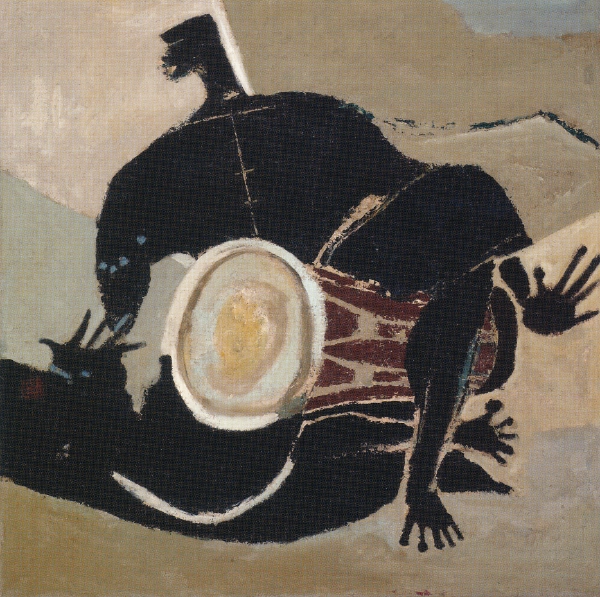
Untitled (Malay Drummer), undated. Oil on canvas, 106.2 × 106.2cm. Collection of the Yeh Chi Wei family. 《无题(马来鼓手)》,无纪年。画布油画,106.2 × 106.2cm。叶之威家属藏品。
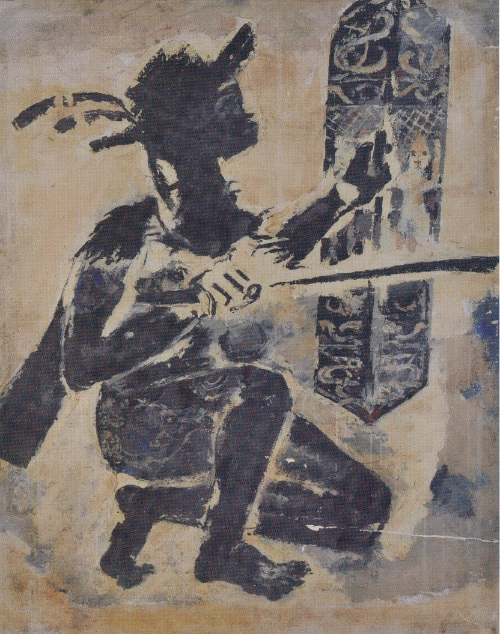
Warrior, undated. Oil on canvas, 79 × 61.5cm. Collection of the Yeh Chi Wei family. 《战士》,无纪年。画布油画,79 × 61.5cm。叶之威家属藏品。
Four pastel field sketches made on the spot during a painting trip to Indonesia — drawn directly from Borobudur and its surrounding landscape. These works have never previously been published or exhibited. 四幅粉画速写,是他到印尼采风时就地完成的原稿,取材自婆罗浮屠及其周边 风光。这些作品从未发表过。
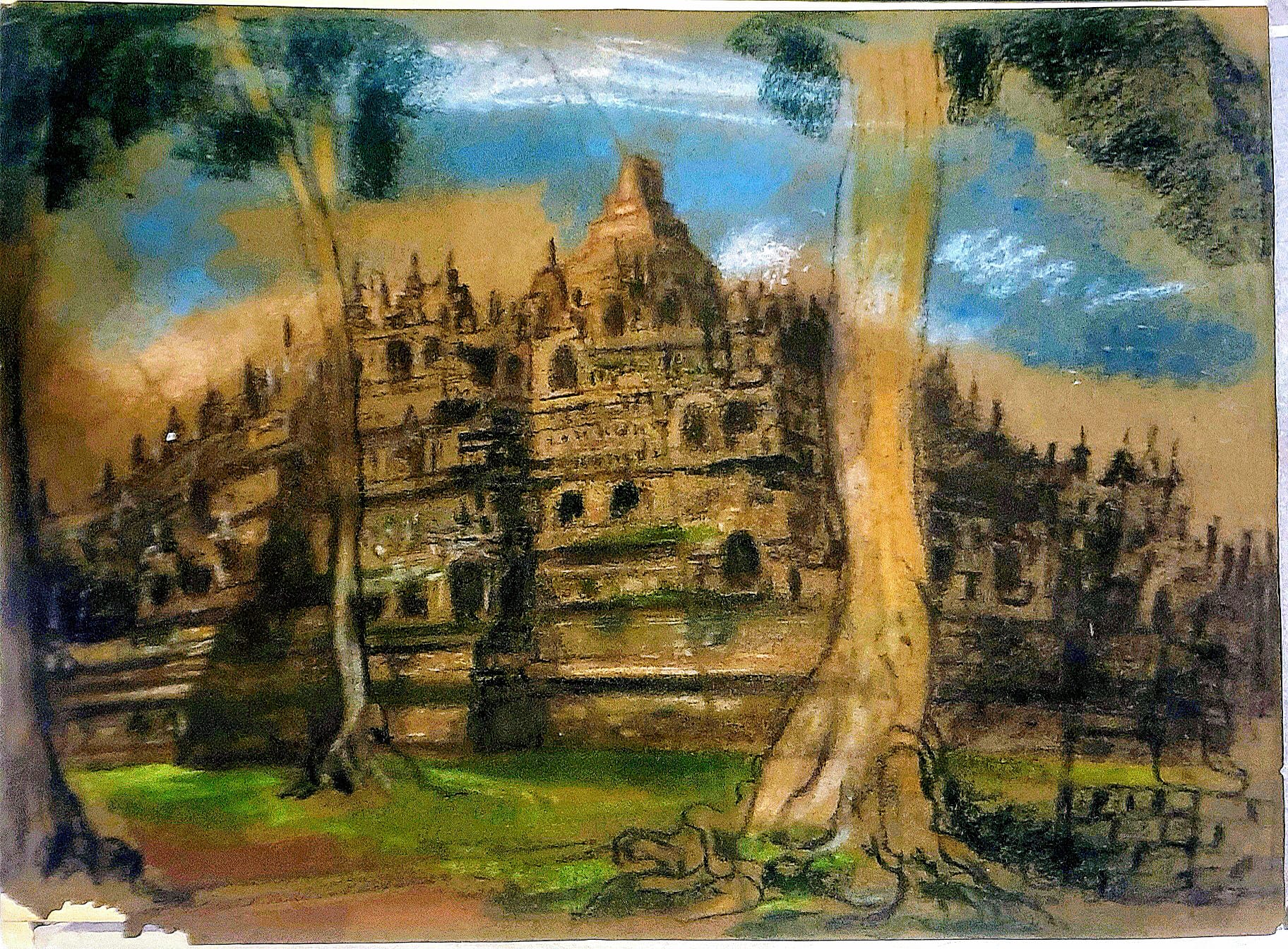
Borobudur (sketch). Pastel on paper, on-site field sketch. Unpublished. Collection of the Yeh Chi Wei family. 《婆罗浮屠(速写)》。纸本粉画,就地速写。从未发表。叶之威家属藏品。
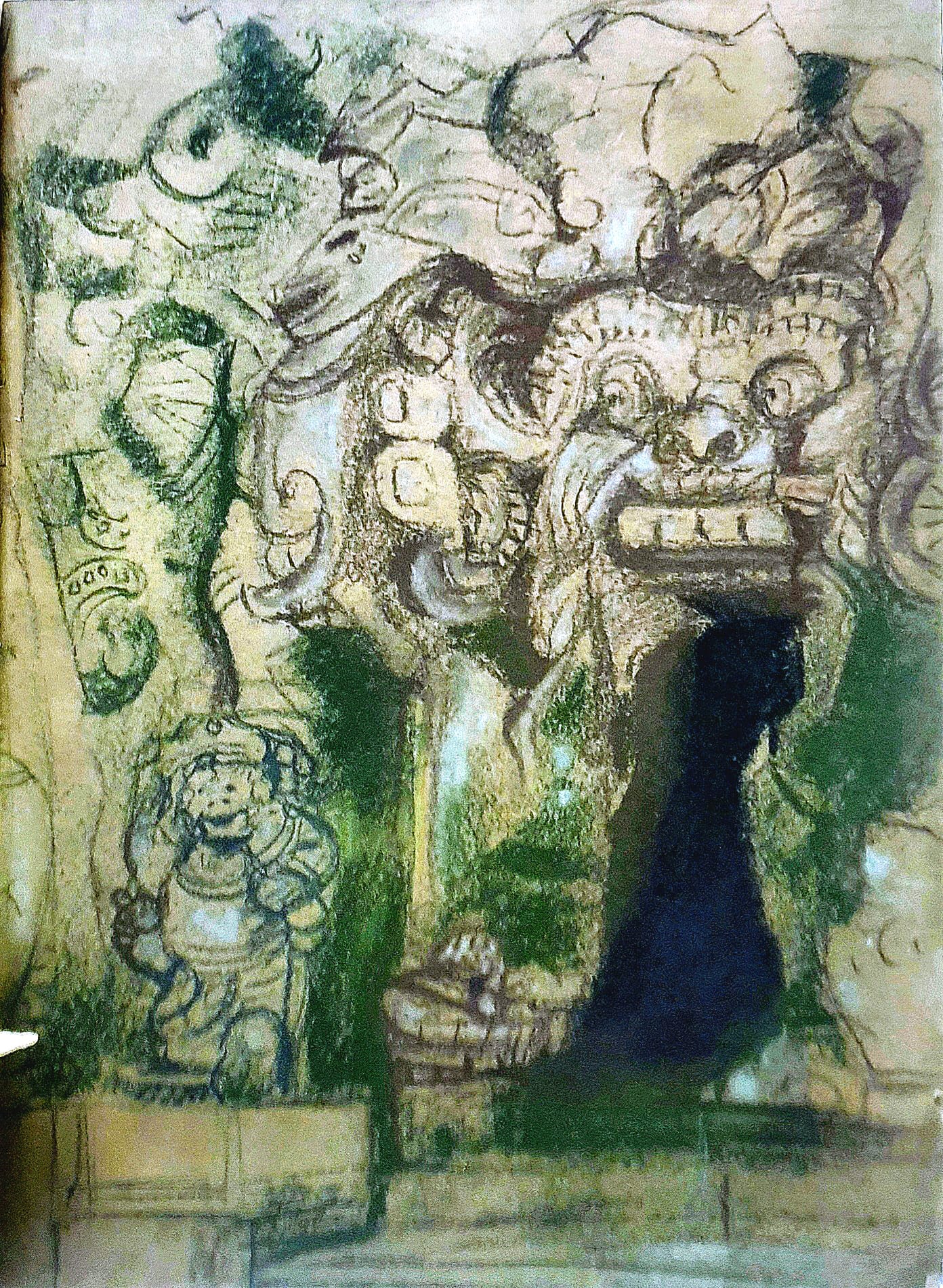
Elephant Cave (sketch). Pastel on paper, on-site field sketch. Unpublished. Collection of the Yeh Chi Wei family. 《象洞(速写)》。纸本粉画,就地速写。从未发表。叶之威家属藏品。
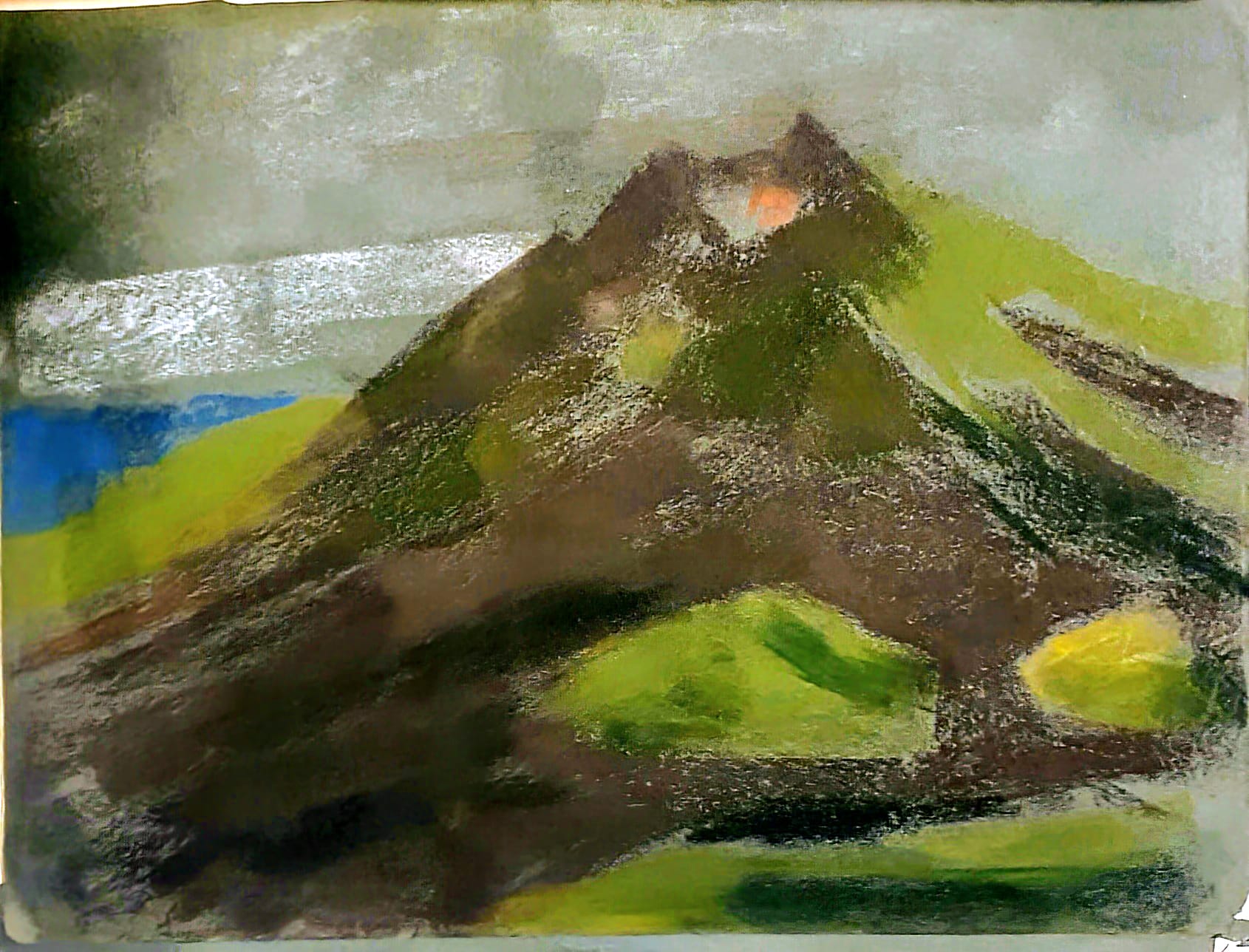
Indonesian Volcano (sketch). Pastel on paper, on-site field sketch. Unpublished. Collection of the Yeh Chi Wei family. 《印尼火山(速写)》。纸本粉画,就地速写。从未发表。叶之威家属藏品。
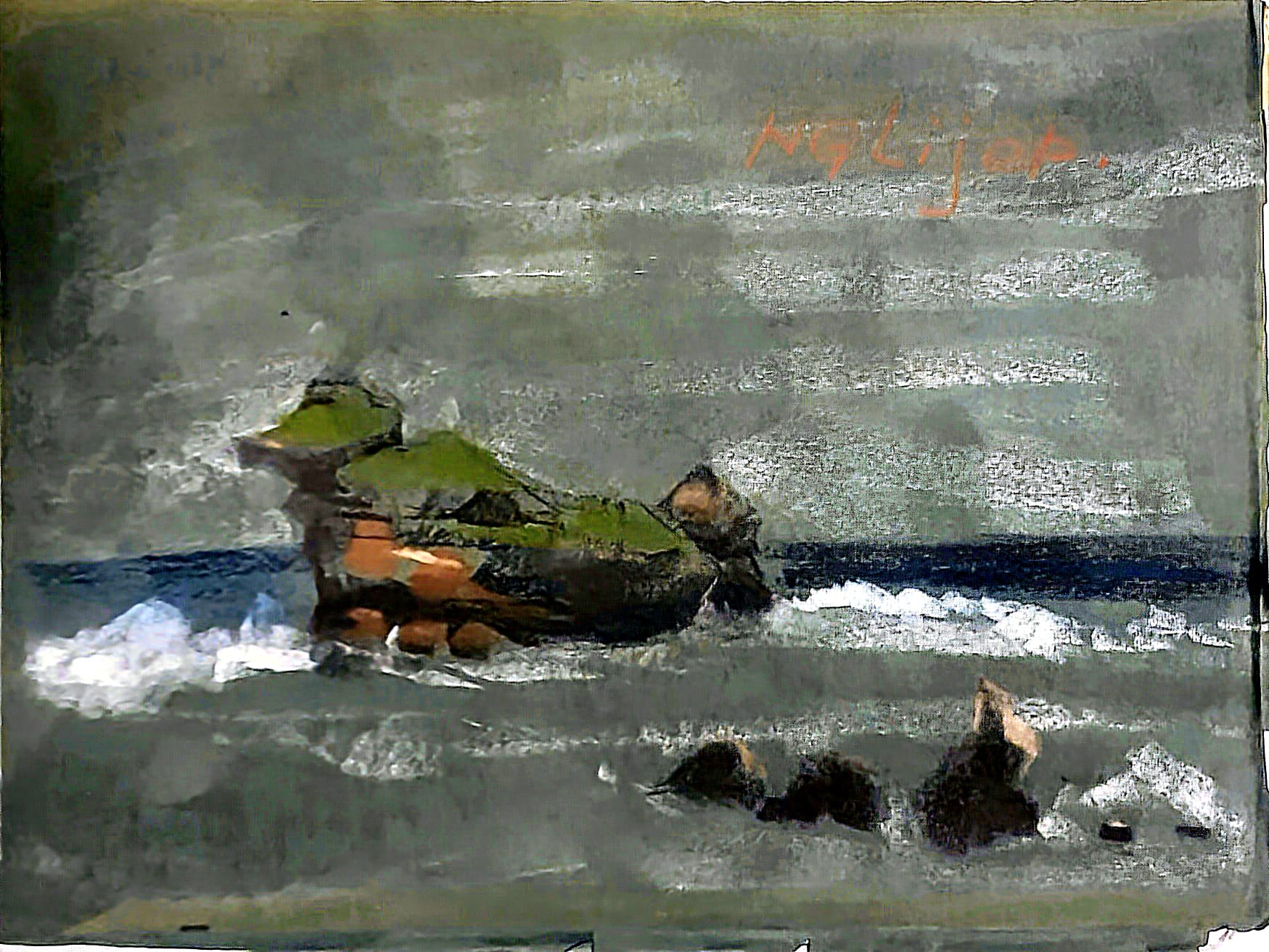
Nglijap (sketch). Pastel on paper, on-site field sketch. Unpublished. Collection of the Yeh Chi Wei family. 《Nglijap(速写)》。纸本粉画,就地速写。从未发表。叶之威家属藏品。
Discover the full story of the Association, from its founding to today.探索协会从创立至今的完整历程。
About the Association关于协会